By Jotham Likomeno,
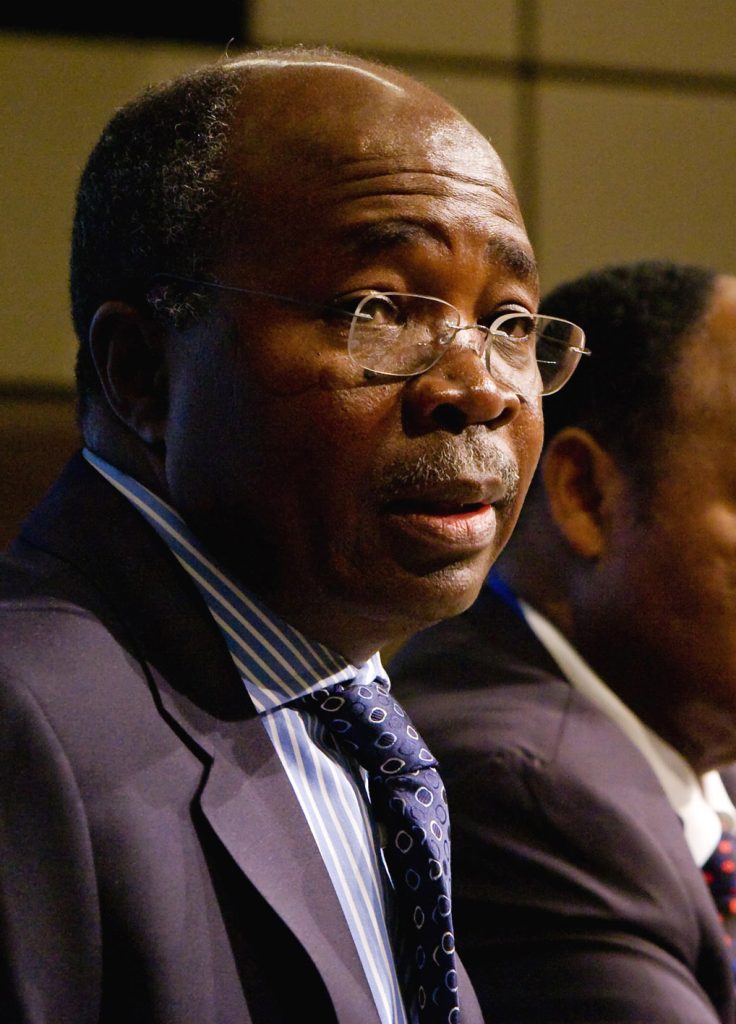
Government has increased funding to social protection programmes to a total of K15.7 billion in the 2026 National Budget, aimed at supporting vulnerable households as broader economic reforms are implemented to reduce poverty.
Minister of Finance and National Planning, Dr. Situmbeko Musokotwane, said the allocation is intended to cushion vulnerable citizens while Government pursues long-term structural reforms to strengthen the economy.
Speaking in the National Assembly in response to a question from Kalabo Central Member of Parliament, Chinga Miyutu, on the causes of high poverty levels and Government’s response, Dr. Musokotwane cited low agricultural productivity among small-scale farmers, weak infrastructure, and limited access to finance as some of the key drivers of poverty.
He said Government is supporting farmers through programmes such as the Farmer Input Support Programme (FISP), the Food Security Pack, and the Sustainable Agriculture Financing Facility (SAFF) to improve agricultural yields and enhance national food security.
Dr. Musokotwane explained that poverty in Zambia is multidimensional and requires coordinated, multi-sectoral interventions. He disclosed that part of the K15.7 billion allocation will be channelled to key social protection programmes, including:
- K1.51 billion for the Food Security Pack
- K1.03 billion for Cash for Work
- K4.92 billion for pension payments
- K7.65 billion for the Social Cash Transfer Programme, expected to benefit an estimated 8.4 million people
He further noted that the strengthened Constituency Development Fund (CDF) is being used to expand local infrastructure and provide community-level grants and loans, particularly in rural areas.
Additionally, Dr. Musokotwane said Government has implemented the Free Education Policy and reinstated university bursaries to address skills gaps and strengthen human capital development.
He reaffirmed that under the leadership of President Hakainde Hichilema, Government remains committed to growing the economy, creating jobs, and reducing poverty through sustained investment in agriculture, mining, and other productive sectors, while ensuring the protection of vulnerable citizens.
