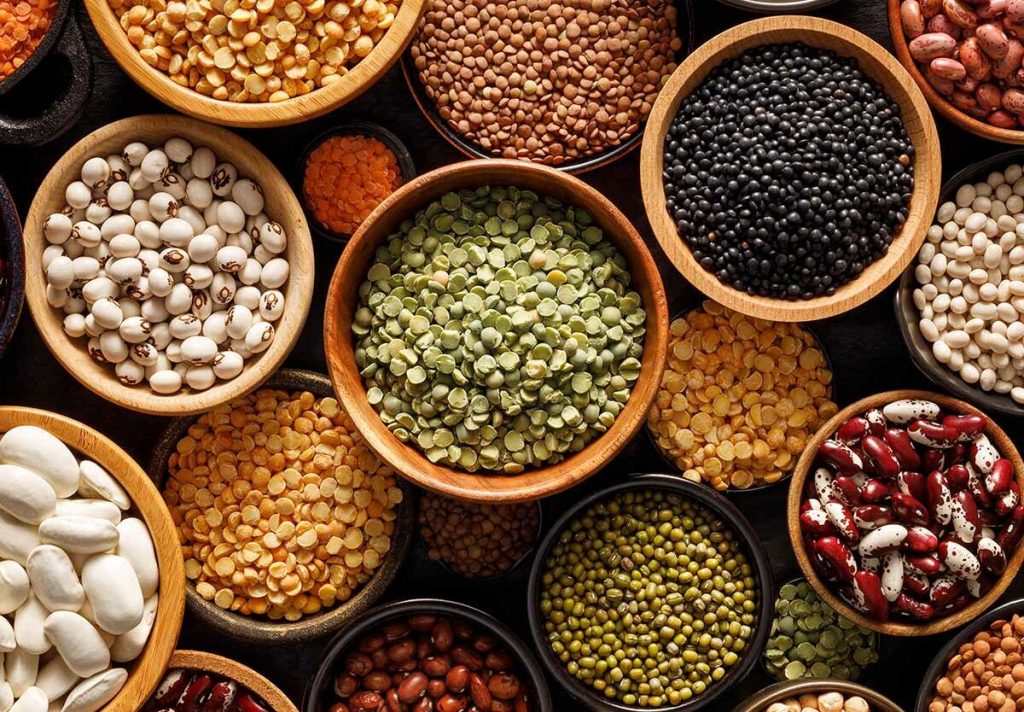
Every year on February 10, the world commemorates World Pulses Day, a day dedicated to recognizing the importance of pulses in global nutrition, food security, sustainable agriculture, and health. In Zambia, pulses such as beans, groundnuts, cowpeas, peas, and lentils are more than just everyday foods — they are a foundation of livelihoods, culture, and survival for millions of families.
Pulses and Nutrition
Pulses are among the most affordable and accessible sources of plant-based protein in Zambia. Rich in iron, fibre, vitamins, and essential minerals, they play a vital role in fighting malnutrition, strengthening immunity, and supporting healthy growth in children. For many households, pulses are the primary alternative to meat, making them a critical component of balanced diets.
Food Security and Household Stability
In both rural and urban communities, pulses contribute directly to food security. They are easy to store, cost-effective, and locally available throughout the year. Families rely on beans and groundnuts to ensure consistent access to nutritious meals, especially during periods of economic hardship and food shortages.
Farming and Rural Livelihoods
For small-scale farmers, pulse production is a major source of income and resilience. Beans, groundnuts, and peas are not only marketable crops but also improve soil fertility through natural nitrogen fixation, reducing dependence on chemical fertilizers. This makes pulse farming both economically viable and environmentally sustainable.
Across local markets, pulse trading supports thousands of livelihoods — from farmers and transporters to traders and processors — strengthening local economies and rural development.
Health Benefits of Pulses
Regular consumption of pulses is linked to:
- Improved digestion
- Reduced risk of heart disease
- Better blood sugar control
- Stronger immune systems
- Healthy weight management
These benefits make pulses essential for building healthier communities and reducing lifestyle-related diseases.
A Sustainable Future
Beyond nutrition, pulses represent a pathway to sustainable development. They support climate-smart agriculture, reduce environmental impact, strengthen food systems, and empower communities economically.
As Zambia joins the world in commemorating World Pulses Day, the message is clear: pulses are not just food — they are health, livelihoods, sustainability, and hope for a stronger, food-secure future.
World Pulses Day 2026 — “Pulses of the World: From Modesty to Excellence” 🌱🥗
